
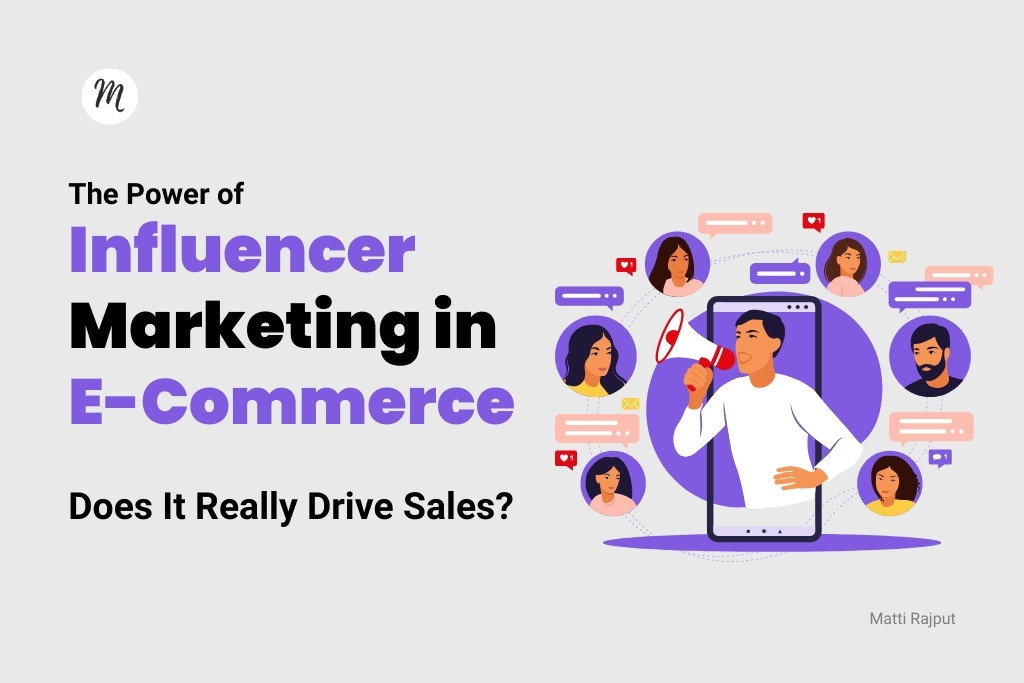
In today’s digital age, influencer marketing has become a game-changer for e-commerce businesses. With platforms like Instagram, YouTube, and TikTok dominating the online space, influencers have the power to sway consumer behavior like never before. But does influencer marketing really drive sales, or is it just a buzzword? Let’s explore its impact on e-commerce.
What is Influencer Marketing?
Influencer marketing involves collaborations between brands and individuals with a strong online presence and loyal followings. These influencers, ranging from celebrities to micro-influencers, promote products or services to their audience. For e-commerce brands, this means tapping into their reach to drive traffic, boost brand awareness, and increase sales.
Why Influencer Marketing Works for E-Commerce
Influencers build trust with their followers over time. According to a survey by Mediakix, 80% of consumers have made a purchase based on an influencer’s recommendation. This trust translates into higher conversion rates for e-commerce brands.
Influencers often cater to specific niches. For example, a fitness influencer’s audience is likely interested in health and wellness products. This targeted approach ensures your marketing efforts reach the right people. A study by Influencer Marketing Hub found that 63% of marketers believe influencer marketing helps them reach a more targeted audience.
Influencers create relatable content, such as product reviews, unboxing videos, or tutorials. This type of content drives interest and encourages interaction with your brand. According to Google, 70% of teenage YouTube subscribers say they relate to influencers more than traditional celebrities.
Collaborating with influencers can boost your brand’s visibility on search engines and social media. User-generated content, reviews, and mentions act as social proof, building credibility for your e-commerce store. A report by BrightLocal found that 88% of consumers trust online reviews as much as personal recommendations.
Does Influencer Marketing Really Drive Sales?
The answer is yes, but its success depends on several factors. Partner with influencers whose values align with your brand and whose audience matches your target market. According to Influencer, 61% of consumers prefer influencers who share their values.
Followers can spot fake endorsements. Authentic content that reflects the influencer’s genuine experience with your product is crucial for driving sales. A study by Stackla found that 86% of consumers value authenticity when deciding which brands to support.
Influencers should include a clear call-to-action, such as a discount code, affiliate link, or direct link to your store. This makes it easy for their followers to take action. According to HubSpot, CTAs can increase conversion rates by up to 80%.
Track metrics like website traffic, conversion rates, and revenue generated from influencer campaigns. Tools like Google Analytics and UTM parameters can help measure success. A report by Linqia found that 39% of marketers consider ROI measurement a top challenge in influencer marketing.
Real-Life Examples of Influencer Marketing Success
Fashion Nova grew exponentially by collaborating with Instagram influencers. Their strategy of partnering with micro-influencers helped them build a loyal customer base and generate millions in sales. According to Business Insider, Fashion Nova’s influencer-driven strategy contributed to its $400 million revenue in 2018.
By leveraging fitness influencers, Gymshark turned a small startup into a global brand. Their authentic content and engagement with their audience played a key role in their success. As reported by Forbes, Gymshark’s influencer partnerships helped them achieve a $1.3 billion valuation in 2020.
Conclusion
Influencer marketing is more than just a trend—it’s a powerful strategy that can drive significant sales for e-commerce businesses. However, success requires careful planning, authentic partnerships, and a clear understanding of your target audience.
If done right, influencer marketing can help you build brand awareness, foster trust, and boost your bottom line. So, is it worth it? Absolutely.

crazy time starts https://crazy-timez.com/
khelo bet 24 monopoly live apk https://monopoly-live-bd.com/
mostbet odblokowanie konta https://www.mostbet14793.help
trucchi per crazy time https://crazytimeee.com/
solana casino games https://solanagxy.com/
monopoly live results today india https://monopoly-live-bangladesh.com/
free iq test with instant results free iq test with instant results
how to play monopoly live https://monopoly-live-bangladesh.com/
play monopoly live https://monopoly-live-bd.com/
crazy time traker https://crazytimeee.com/
monopoly live casino wheel https://monopoly-live-bangladesh.com/
solana krypto casino https://solanagxy.com/
monopoly live results https://monopoly-live-bangladesh.com/
beste monopoly live strategie https://monopoly-live-bd.com/
Now adjusting my mental model of how the topic fits into the broader landscape, and a look at groveaisle extended that adjustment, content that affects my structural understanding rather than just my factual knowledge is content with deeper impact and this site is providing those structural updates at a meaningful rate consistently across topics.
best solana casino https://solanagxy.com/
tracker crazy time italia https://crazytimeee.com/
888 https://colindaylinks.com/
crazy time fake https://crazy-time-rome.com/
ruota del crazy time https://crazytimeee.com/
khelo bet 24 monopoly result today live https://monopoly-live-bangladesh.com/
Started this morning and finished at lunch with a small sense of having spent the time well, and a look at clevercartcorner extended that satisfaction into the afternoon, content that fits naturally into the rhythm of a working day rather than demanding a dedicated reading block is increasingly the kind I prefer.
crazy time live gratis https://crazytime-italy-it.com/
Honestly enjoyed not being sold anything for the entire duration of the post, and a look at gulfholm kept that pleasant absence going across more pages, content that exists for its own sake rather than as a funnel to a paid product is increasingly rare and worth supporting where I can find it.
monopoly live prix https://monopoly-live-bd.com/
casino crazy time live https://crazytimeee.com/
Honest take is that I will probably forget most of what I read online today but this post is one I will remember, and a stop at irisetch kept that same memorable quality going, certain writing leaves a residue in the mind in a way most content simply does not manage.
monopoly big baller live online https://monopoly-live-bangladesh.com/
solana casino de https://solanagxy.com/
dove giocare a crazy time https://crazy-timez.com/
prova crazy time prova crazy time.
big baller monopoly live https://monopoly-live-bangladesh.com/
crypto casino solana https://solanagxy.com/
crazy time live gratis https://crazytime-italy-it.com/
crazy time non funziona crazy time non funziona.
monopoly live statistiche monopoly live statistiche.
crazy time watch crazy time watch.
cronologia crazy time https://crazytime-italy-it.com/
Felt the post had been written without looking over its shoulder, and a look at melvizo continued that confident posture, content written for its own sake rather than against imagined critics has a different quality and this site reads as written from a place of confidence rather than defensive justification of every claim.
play monopoly live https://monopoly-live-bd.com/
schema crazy time schema crazy time.
crazy time stati https://crazytimeee.com/
da quanto non esce il crazy time https://crazy-time-rome.com/
crazy time in tempo reale https://crazy-timez.com/
Different feel from the algorithmically optimised posts that dominate the topic, and a stop at gapherb reinforced that human touch, you can tell when a site is being run by someone who reads what they publish versus someone just hitting submit and moving on quickly to the next assignment without checking the result.
crazy time bonus benvenuto https://crazytimeee.com/
solana crypto casino https://solanagxy.com/
crazy time italia cronologia https://crazy-time-rome.com/
crazy time stats casino scores https://crazy-timez.com/
crazy stats https://crazytime-italy-it.com/